There’s something about a blizzard that makes everything worse. Phones die. Roads disappear. Help is theoretically coming, but not today. In winter thrillers, the cold isn’t just atmosphere—it’s an active threat, pressing in on every decision and shrinking the margin for error.
These are thrillers built around snowstorms, whiteouts, and the particular terror of being cut off from the rest of the world. Shelters become traps. Silence becomes suspicious. And survival often depends on who cracks last, not who’s strongest.
If you like your suspense frostbitten and your stakes buried under six feet of snow, start here.
A small Icelandic town. Endless winter darkness. A body that doesn’t make sense.
This one leans hard into isolation. The setting feels sealed off from the rest of the world, both physically and emotionally, and the snow amplifies every secret the town has been trying to ignore. The pace is quiet but relentless, the kind of story where unease builds slowly and never really lets go. Perfect if you like methodical tension rather than nonstop action.
Snowblind
An isolated fishing village in the fjords of northern Iceland, where no one locks their doors.

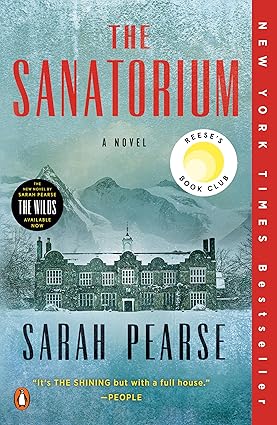
The Sanatorium by Sarah Pearse
A luxury hotel in the Swiss Alps that used to be a sanatorium is already a red flag. Add a snowstorm that cuts off access, and things go downhill fast.
This is classic “trapped in a place with a past” suspense. The weather locks everyone inside, the building itself feels hostile, and the line between accident and intention keeps blurring. The cold works like a pressure cooker, forcing confrontations that might never happen if escape were an option.
The Sanatorium: Reese’s Book Club: A Novel (Detective Elin Warner Series)
Half-hidden by forest and overshadowed by threatening peaks, Le Sommet has always been a sinister place. Long plagued by troubling rumors, the former abandoned sanatorium has since been renovated into a five-star minimalist hotel.
The Hunting Party by Lucy Foley
A group of friends, a remote Scottish lodge, and a New Year’s getaway derailed by a brutal snowstorm.
What makes this one work is the social isolation layered on top of the physical isolation. Nobody is stranded with strangers—they’re stranded with people who already have grudges. The storm ensures no one can leave, and the shifting perspectives slowly reveal how badly things were broken long before the snow started falling.
The Hunting Party: A Novel
Everyone’s invited…everyone’s a suspect…
During the languid days of the Christmas break, a group of thirtysomething friends from Oxford meet to welcome in the New Year together, a tradition they began as students ten years ago.

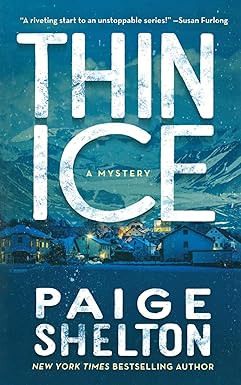
Set in rural Alaska, this thriller leans into how dangerous “normal life” can be when the weather turns hostile.
Here, the snow isn’t dramatic for show—it’s practical, constant, and unforgiving. Travel is risky. Communication is unreliable. Mistakes linger. The story plays with the idea that in extreme climates, people adapt in ways outsiders don’t always understand, which makes figuring out who to trust even harder.
Thin Ice
After narrowly escaping an abduction, thriller author Beth Rivers hides out in an Alaskan halfway house, until a local murder causes her to fear her kidnapper has returned for her.
A medical examiner stranded in a snowbound village discovers that isolation doesn’t just hide danger—it preserves it.
This one blends survival thriller energy with a creeping sense of menace. Supplies run low. The storm drags on. The locals know things they’re not saying. The snow turns the setting into a sealed system, where every action has immediate consequences and escape keeps slipping further out of reach.
Ice Cold: A Rizzoli & Isles Novel
Stranded in a blizzard, Maura Isles and her friends find refuge in an abandoned town where something feels terribly wrong—and someone may still be watching. As the mystery deepens, a chilling truth begins to emerge.

Why Snow Makes Thrillers Hit Harder
Snow removes options. Characters can’t just leave, call for backup, or sleep it off. Every delay matters, and every choice feels heavier when exposure or starvation is part of the equation.
That’s why winter thrillers work so well. The environment strips stories down to essentials: fear, trust, endurance, and the slow realization that nature doesn’t care who’s innocent.
They’re perfect reads for cold nights, especially when you want tension without explosions—just a long, quiet sense that something is very wrong, and help is nowhere close.