Intro:
Historical fiction is at its best when it prioritizes lived experience over dates and footnotes. The right novel doesn’t lecture you about dates or wars—it drops you into another time and lets you wander around until the present moment fades away. These books focus on atmosphere, character, and lived-in history rather than battles and timelines.
This list skips World War II entirely (that era deserves its own spotlight) and leans into stories that explore power, survival, obsession, love, and identity across wildly different centuries. If you like your history immersive, a little messy, and very human, start here.
When History Is Personal (Not Epic)
These novels zoom in on individual lives instead of grand events, which makes the past feel intimate and unsettling in the best way.
The Marriage Portrait by Maggie O’Farrell
Set in Renaissance Italy, this is a tense, slow-burn story about a young duchess navigating marriage, politics, and a husband she barely knows. Beautiful writing, creeping dread, and a sharp focus on how little power women had—even at the top.
The Marriage Portrait
Florence, the 1550s. Lucrezia, third daughter of the grand duke, is comfortable with her obscure place in the palazzo: free to wonder at its treasures, observe its clandestine workings, and devote herself to her own artistic pursuits.

Matrix by Lauren Groff
A bold, strange, deeply atmospheric novel inspired by a real medieval woman who builds an unconventional religious community. This one leans mystical and literary, more about inner worlds and ambition than strict historical realism.
Matrix: A Novel
Cast out of the royal court by Eleanor of Aquitaine, deemed too coarse and rough-hewn for marriage or courtly life, seventeen-year-old Marie de France is sent to England to be the new prioress of an impoverished abbey, its nuns on the brink of starvation and beset by disease.

The Pull of the Stars by Emma Donoghue
Dublin, 1918, during the flu pandemic. The entire novel unfolds over a few intense days inside a maternity ward. It’s claustrophobic, emotional, and quietly devastating without relying on war as its backbone.
The Pull of the Stars: A Novel
In an Ireland doubly ravaged by war and disease, Nurse Julia Power works at an understaffed hospital in the city center, where expectant mothers who have come down with the terrible new Flu are quarantined together. Into Julia’s regimented world step two outsiders—Doctor Kathleen Lynn, a rumored Rebel on the run from the police, and a young volunteer helper, Bridie Sweeney.

Power, Corruption, and Dangerous Ambition
History is full of people trying to bend the world to their will. These books don’t romanticize that impulse—they dissect it.
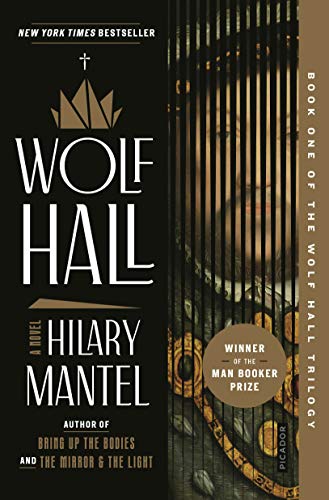
Wolf Hall by Hilary Mantel
A sharp, intelligent look at Thomas Cromwell and the political machinery of Tudor England. This isn’t dusty court drama—it’s tense, psychological, and surprisingly modern in how it portrays power and survival.
Wolf Hall
England in the 1520s is a heartbeat from disaster. If the king dies without a male heir, the country could be destroyed by civil war. Henry VIII wants to annul his marriage of twenty years and marry Anne Boleyn.
The Book of Night Women by Marlon James
Set on a Jamaican plantation in the early 19th century, this novel confronts violence, rebellion, and identity head-on. It’s brutal, lyrical, and unflinching, showing how history’s cruelty shapes everyone caught inside it.
The Book of Night Women
It is the story of Lilith, born into slavery on a Jamaican sugar plantation at the end of the eighteenth century. Even at her birth, the slave women around her recognize a dark power that they- and she-will come to both revere and fear.

Strange Corners of the Past
These picks highlight settings and moments that don’t get as much attention, making history feel fresh instead of familiar.
The Luminaries by Eleanor Catton
Gold rush–era New Zealand, wrapped in mystery, fate, and intricate storytelling. It’s dense but rewarding, perfect for readers who like structure, symbolism, and a strong sense of place.
The Luminaries
It is 1866, and Walter Moody has come to stake his claim in New Zealand’s booming gold rush. On the stormy night of his arrival. He stumbles across a tense gathering of 12 local men who have met in secret to discuss a series of unexplained events: a wealthy man has vanished, a prostitute has tried to end her life, and an enormous cache of gold has been discovered in the home of a luckless drunk.

Hild by Nicola Griffith
Early medieval Britain through the eyes of a young girl who grows into power and influence. Meticulously researched but emotionally grounded, this book makes a rarely explored era feel vivid and real.
Hild
In seventh-century Britain, small kingdoms are merging, frequently and violently. A new religion is coming ashore; the old gods are struggling, their priests worrying. Hild is the king’s youngest niece, and she has a glimmering mind and a natural, noble authority. She will become a fascinating woman and one of the pivotal figures of the Middle Ages: Saint Hilda of Whitby.

Why These Work for Today’s Readers
What ties these books together isn’t a shared time period—it’s their refusal to treat history like a museum exhibit. These stories care about psychology, fear, desire, and survival first. The history is the setting, not the sales pitch.
For anyone who’s struggled to connect with historical fiction in the past, these novels might change that.
Step into another era—explore this curated list of historical fiction reads on Bookshop.org.
If you pick something up through this list, it helps support independent bookstores—and my site, too.