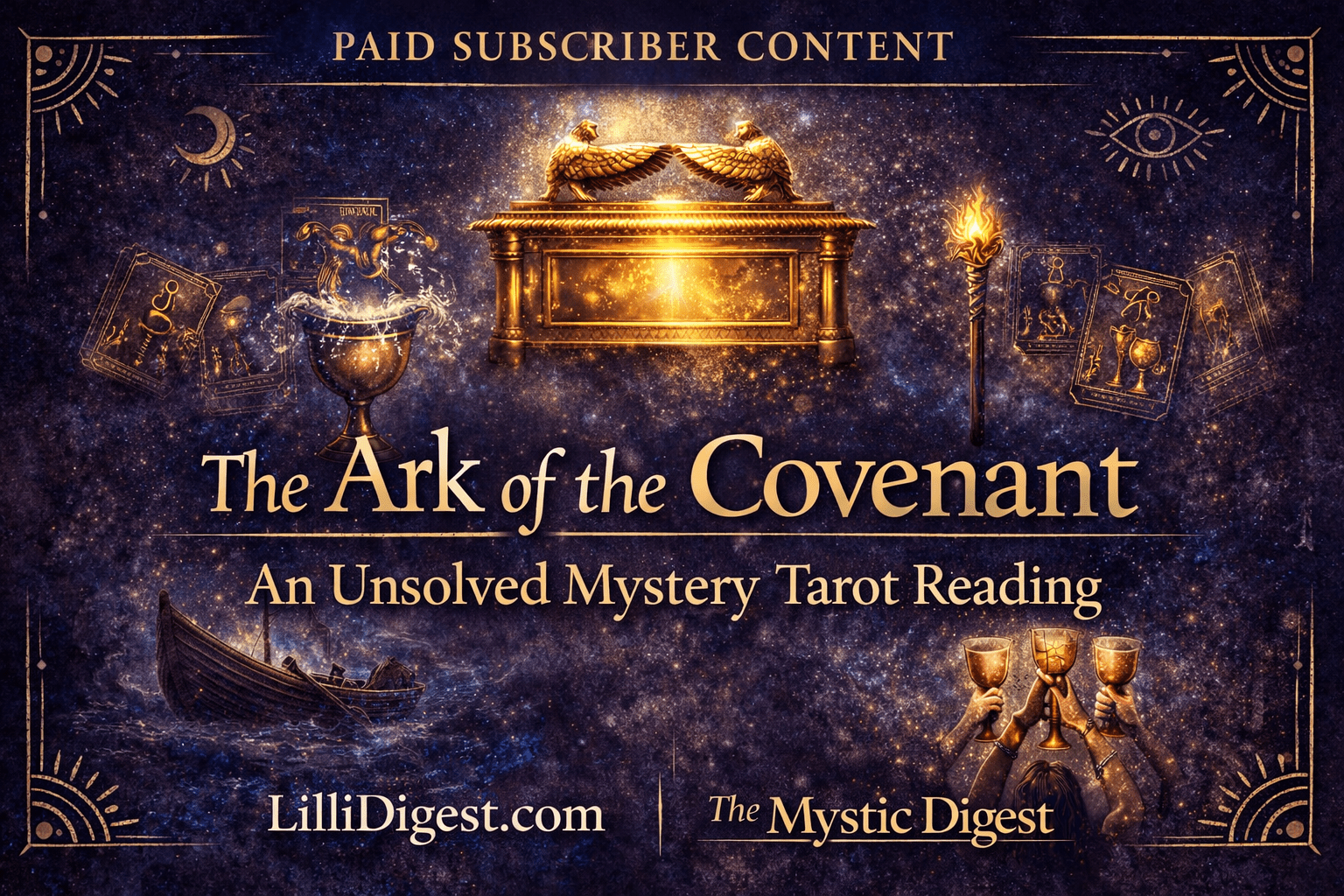
Between roughly 1200–586 BCE, the Ark of the Covenant appears in the historical and religious record of the ancient Kingdom of Israel. According to biblical accounts, the Ark was constructed during the period traditionally associated with Moses and the Israelite Exodus, and later housed in the Temple of Solomon in Jerusalem.
The Ark was described as a sacred chest containing the stone tablets of the Ten Commandments and symbolizing the covenant between the Israelites and their God. It was treated with extreme ritual care and believed to represent divine presence among the people.
The Ark disappears from the historical record after the Babylonian conquest of Jerusalem in 586 BCE, when the First Temple was destroyed. Contemporary texts describing the conquest list numerous temple treasures taken or destroyed, but the Ark itself is never mentioned.
Attempts to determine what happened to the Ark have been limited by fragmentary historical records, conflicting traditions, and the absence of physical evidence. Some traditions claim it was hidden before the Babylonian invasion. Others suggest it was taken, destroyed, or relocated. Later legends place it in locations ranging from Ethiopia to subterranean chambers beneath Jerusalem.
Despite centuries of religious tradition, archaeological speculation, and scholarly interest, the Ark of the Covenant has never been conclusively located.
Its absence remains significant not because of what is known, but because of what remains missing.
This tarot reading does not attempt to resolve the mystery.
It follows the story the cards told, without attempting to finish it.
About This Reading
This reading uses tarot as a symbolic framework to examine conditions, decisions, and pressures surrounding an unresolved historical mystery.
The interpretations are non-predictive and do not assert factual claims. No perpetrators are named or implied.
What showed up in the spread wasn’t what I expected at all.
🔮 Unlock the full tarot reading
See what the cards revealed in this case, plus access to all exclusive readings.

Subscribe to continue reading
Become a paid subscriber to get access to the rest of this post and other exclusive content.